
Your Traditional Chinese Medicine guide to weathering the seasons
The slant of light, leaves turning, a crisp edge to the sun-drenched afternoon; fall is arriving. As we once again leave our memories of another summer behind, it is time to prepare our minds and bodies for the next coming season.
A simple, but often overlooked key to vibrant health is being flexible to change. The seasonal transition is no exception. Clinging to the old will often, quite literally, make you sick. Fall is all about letting go.

Fall is a season associated with the Lungs & Large Intestine in TCM, with the Metal element, with the emotion of grief/sadness, with the cyclical action of harvesting, with a dry climate, with the nose, with the sense of smell, with the skin, and with the TCM concept of the “Po” or the corporeal soul relating to the Lungs.
Seasonal transition points
As I’m writing this, we sit between two seasonal transition points. On September 7th we entered the seasonal transition point of Bai Lu, or White Dew. The mornings are getting cooler, when you leave the house in the morning, you might see the white morning dew coating the grass.
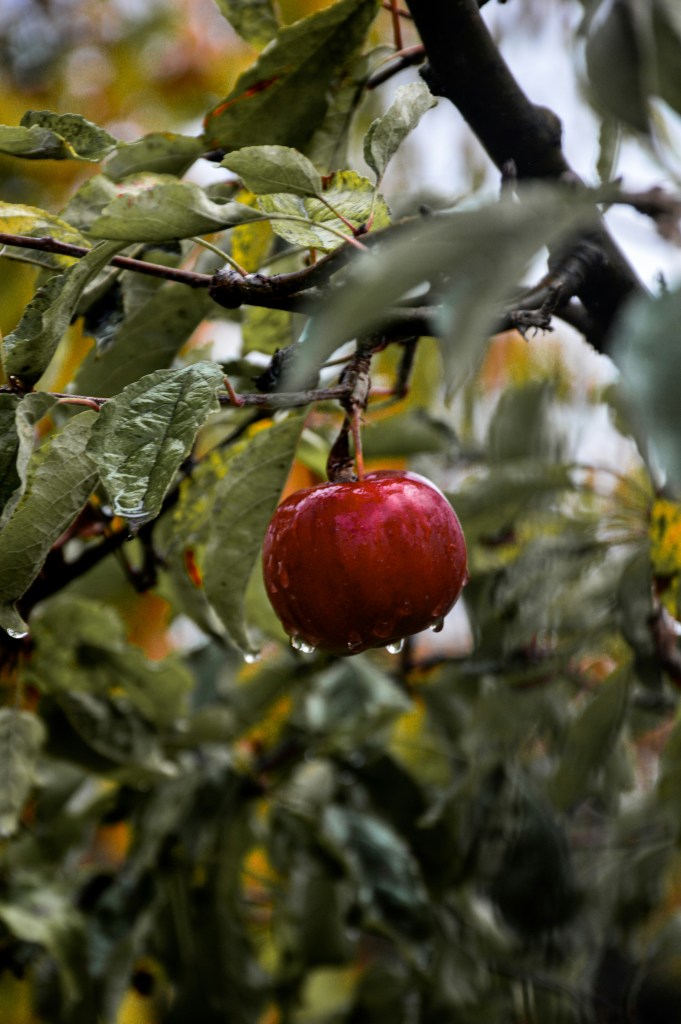
The next seasonal transition point is September 22nd, Qiu Fen, or the Autumn Equinox.
Some helpful things to do
As the weather and the seasons change, so must we. Here are some things you can do to shift with the seasons for your must vibrant healthy self.
Warm up the diet & Eat seasonally
It’s time to transition our foods and eat with the seasons.
Fruits and vegetables that are currently in season in Colorado:
- Apples
- Beets
- Bell peppers
- Broccoli
- Cauliflower
- Cabbage
- Cantaloupe
- Carrots
- Celery
- Chard
- Chile peppers
- Cucumbers
- Eggplant
- Green beans
- Honeydew
- Mushrooms
- Onions
- Peaches
- Pears
- Plums
- Potatoes
- Pumpkins
- Raspberries
- Spinach
- Strawberries
- Summer Squash
- Sweet corn
- Tomatoes
- Watermelon
- Winter Squash
Eating what’s in season will help your body adjust to the changing seasons, as these foods contain the energetics of what is vital and reaching maturity at this time. Many of these foods are moistening, or yin nourishing, helping to prepare the Lungs and Large Intestine for the dryness of autumn, and to help the body recover from the Heat of summer.
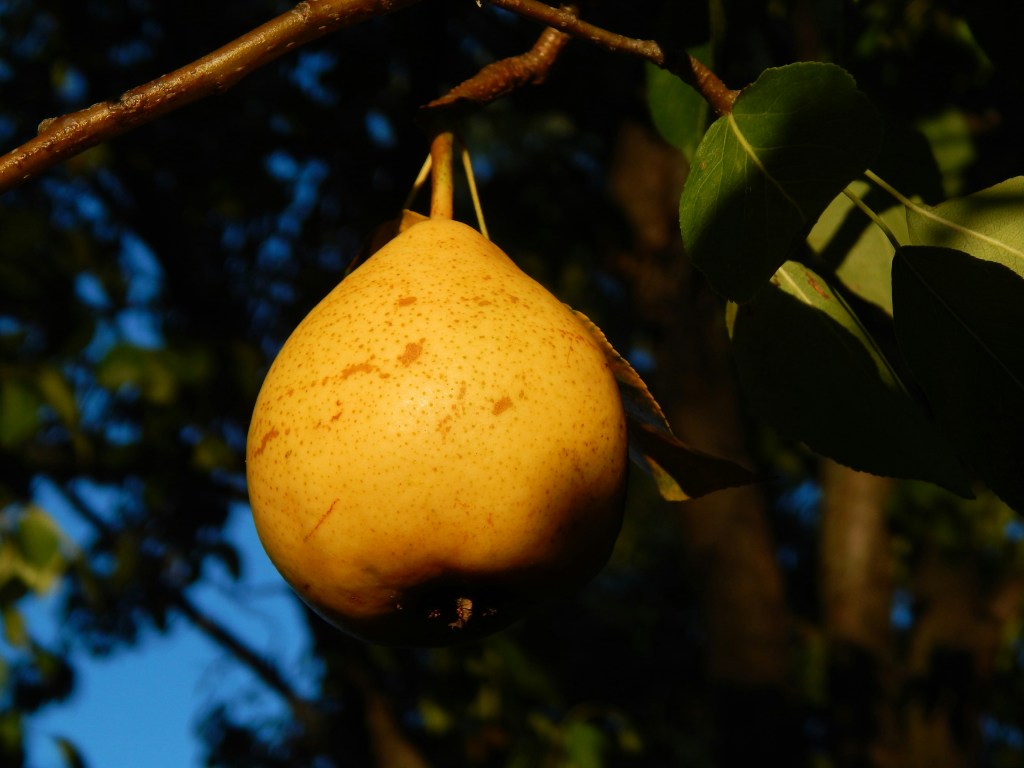
You might start including: bone broths, soups, stews, veggies over rice, warm beverages etc to boost your digestive power and pre-empt immunity for the coming colder months. Cooking with ginger is a great way to warm up the digestive fires if you are feeling sluggish, dealing with irregular digestion, or getting sick often–especially at seasonal transition points.
Avoid cold beverages and foods: cold smoothies, ice water, iced coffees/teas, ice cream..etc. as these can injure the digestive fire and lower immunity.
Adjust clothing
As the air gets cooler, it’s time to shift our seasonal wardrobes. And no, this doesn’t have to do with not wearing white after labor day.
Its important to:
- Cover the back of the neck
- in TCM we call this area the “Wind Gate” meaning that it is where Wind-Invasions, or illnesses (think cold/flu etc) enter.
- Cover the low back
- This area in Chinese Medicine is associated with the Kidneys, the root of our vital energy. It is important to keep the Kidneys warm to support this deep level of energy in the body.
- Cover the abdomen
- We want to keep that digestive fire burning hot and protect our vital organs from the cold. For those with uteruses, it is important to keep this area warm to prevent menstrual pain and cramping.
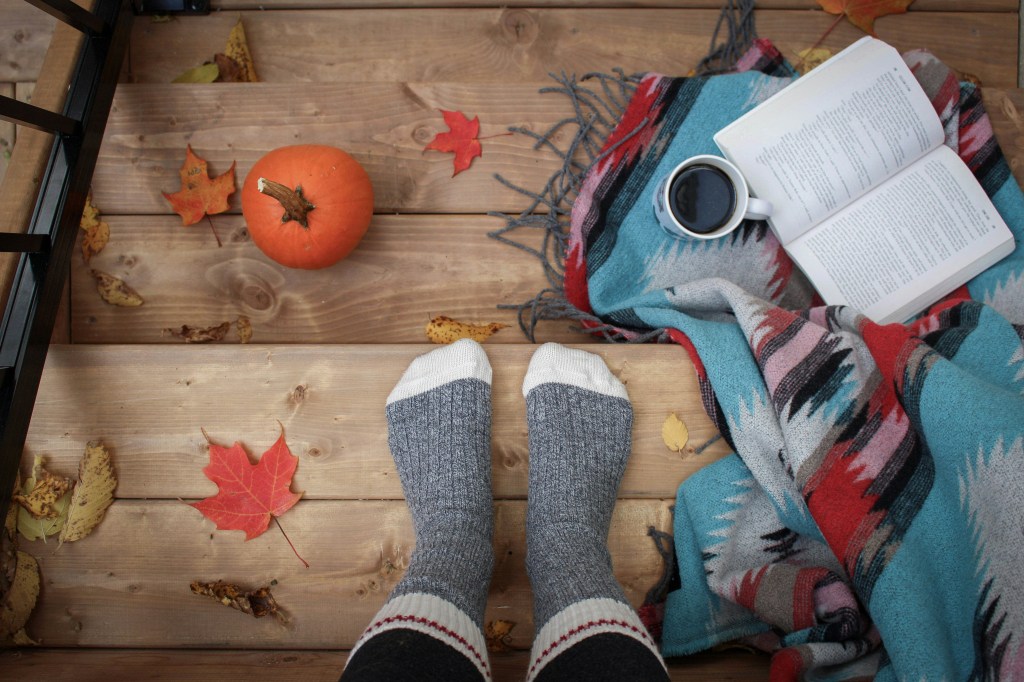
- Warm socks
- 6 of the 12 channels (Spleen, Bladder, Stomach, Liver, Kidney, and Gallbladder) run through the feet. The Feet are also connected to the Kidney Organ. If you suffer from: fatigue, low back pain, knee pain, feeling cold, loose stools, easy bruising, foot pain, insomnia, painful periods etc it is extra important to keep your feet warm.
- Pro tip: try foot soaks! with herbs, epsom salts or grated ginger. These can be amazing for both foot pain and overall health.
- 6 of the 12 channels (Spleen, Bladder, Stomach, Liver, Kidney, and Gallbladder) run through the feet. The Feet are also connected to the Kidney Organ. If you suffer from: fatigue, low back pain, knee pain, feeling cold, loose stools, easy bruising, foot pain, insomnia, painful periods etc it is extra important to keep your feet warm.
Support your body in letting go
Your Lungs and Large Intestine are connected to the Skin. If you’re noticing more congestion in any of the following areas: skin, nose, lungs, throat, digestion/bowel movements, emotions, it might be time for a trip to the acupuncturist.
Our Lungs and Large Intestine are meant to descend; to allow space for full breath, to let go of what we no longer need. Sometimes our inability to let go and assist our body in this process is emotional. What emotions can you release? What do you need to process?
If you’re feeling stuck, sometimes the best thing to do is to get your body moving.
In the fall, we want gentle, restorative movement. We might also need additional rest as the energy of the year begins to wane from Yang to Yin.
Qigong for the Fall
You can find Qigong exercises online to support your Lungs this fall, or attend in-person classes.
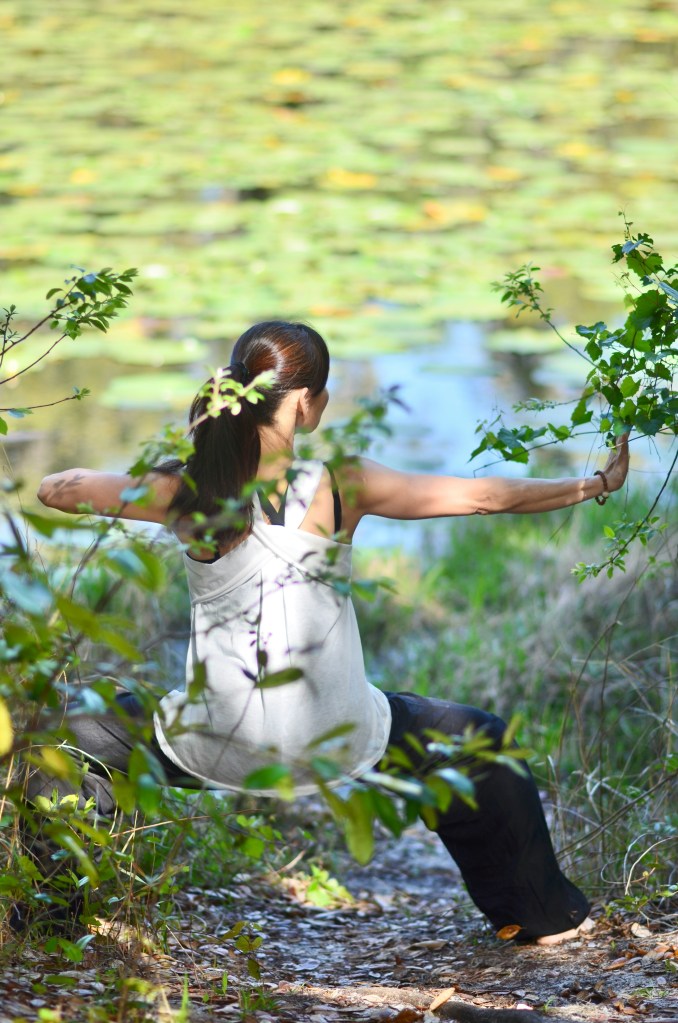
Qigong classes will soon be available where I work at Intrepid Bodyworks in Thornton, CO. Click the link below to learn more.
https://www.intrepidbodyworks.com/team-members/: The air is getting crisper 🍁Gentle Pai Da tapping
To stimulate the Lung/Large Intestine meridians, you can engage in gentle Pai Da tapping along the meridian lines.
These meridians run from the thumb (Lung) and Index finger (Large intestine), respectively.
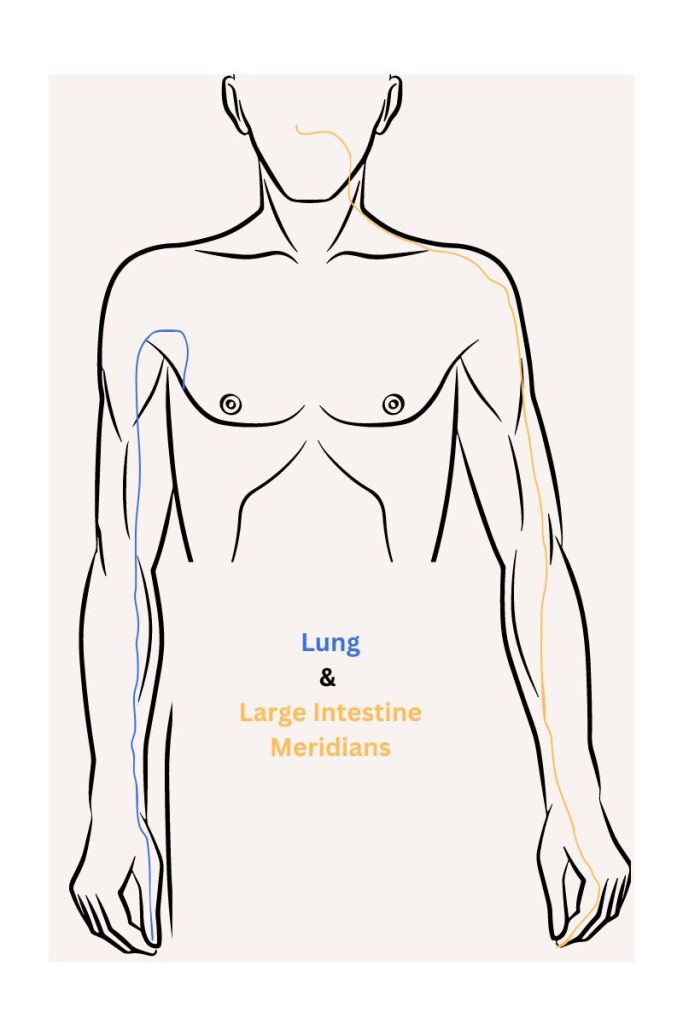
The Lung meridian begins at the thumb, traverses the forearm, the cubital crease of the elbow, the inner aspect of the upper arm, ending at the antero-lateral aspect of the chest below the lateral extremity of the clavicle in the hollow of the delto-pectoral triangle.
The Large Intestine Meridian begins at the index, traverses the back of the hand between the thumb and forefinger, traverses the forearm, the cubital crease of the elbow, the lateral aspect of the upper arm to the shoulder, the side of the neck, and terminates at the side of the nose.
Take time to pause
Take stock. As we move from one season to another, it might be helpful to take time to reflect on the season past, while making plans for the coming season.

Breathe. Engage in stillness, meditation, breathwork, journaling etc. and step forward into the change.
What worked? What didn’t? What are you excited about in this upcoming season? What do you want to bring into your life?
As always, I’m here if you need me.
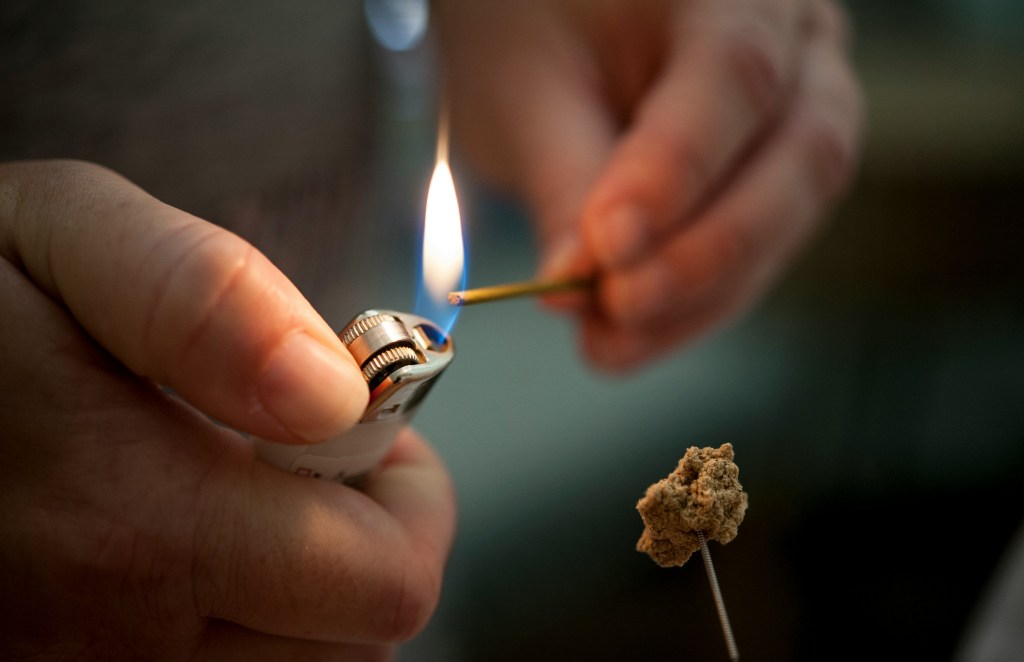
You can schedule acupuncture with me in Boulder, CO at
Six Persimmons Apothecary:
Or in Thornton, CO at Intrepid Bodyworks:
Happy Autumn!


Leave a Reply